In the dynamic landscape of today's global economy, Mergers and Acquisitions (M&A) have become crucial catalysts of business growth and diversification across industries.
In 2022, M&A value surged to INR 7,541 billion, outperforming PE deals in value and volume for the first time, deviating from previous trends. At the same time, the start-up and e-commerce sectors emerged as the lead sector between 2018 and 2022, now accounting for 28% and 12% of all M&A deals, respectively. In addition, the consumer goods, retail, building materials and healthcare sectors also embraced M&A as the norm.
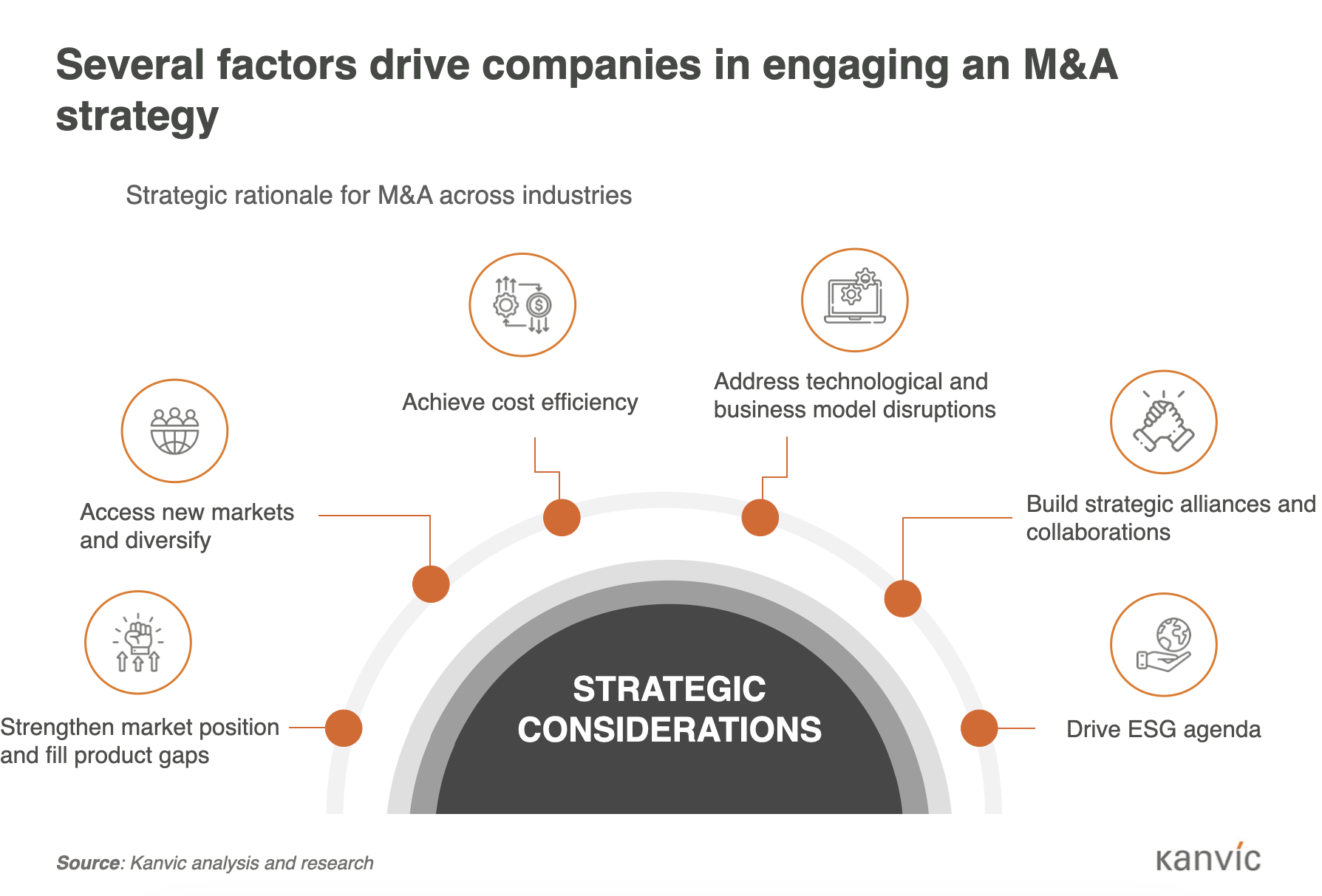
While growth and diversification are the critical reasons to pursue M&As, Kanvic Consulting has identified six primary reasons that drive companies to engage in an M&A:
1. Strengthening market position and filling product gaps
2. Accessing new markets and diversifying
3. Achieving cost efficiencies
4. Addressing technological and business model disruptions
5. Building strategic alliances and collaborations
6. Driving ESG (environmental, social and governance) agenda
1. Strengthening Market Position and Filling Product Gaps: One of the primary drivers behind mergers and acquisitions is the quest to strengthen a company's market position and enhance its product portfolio. By acquiring or merging with complementary businesses, companies can consolidate their presence in the market, broaden their range of offerings, and tap into a broader customer base. This strategic move not only helps gain a competitive edge but also allows for filling product gaps, ensuring a more comprehensive and attractive value proposition to customers.
2. Accessing New Markets and Diversifying: For companies seeking growth beyond their existing markets, mergers and acquisitions provide a valuable pathway to access new geographic regions and diversify their operations. Expanding into new markets not only widens the customer base but also reduces reliance on specific markets that may be subject to economic fluctuations or regulatory changes. This diversification strategy can be crucial for long-term sustainability and minimizing risks associated with a narrow market focus.
3. Achieving Cost Efficiencies: Mergers and acquisitions can lead to significant cost efficiencies by consolidating operations, eliminating redundancies, and optimising resources. By streamlining processes and reducing overhead, companies can achieve economies of scale, resulting in lower costs per unit and enhanced profitability. These cost-saving measures are often a driving force behind M&A deals, as they offer the potential for improved financial performance.
4. Addressing Technological and Business Model Disruptions: In today's rapidly evolving business landscape, technological advancements and disruptive business models can render established companies vulnerable. Organisations often turn to M&A to acquire innovative technologies, digital capabilities, and agile startups to stay competitive and adapt to changing customer preferences. These acquisitions enable companies to embrace disruption, stay ahead of the curve, and future-proof their business models.
5. Building Strategic Alliances and Collaborations: Mergers and acquisitions are not always about full ownership; they can also involve forming strategic alliances and collaborations. Companies often seek partnerships or partial acquisitions to leverage each other's strengths, share resources, or access specific capabilities. These collaborations can be particularly valuable when it comes to research and development, market entry, or enhancing supply chain resilience.
6. Driving ESG (Environmental, Social, and Governance) Agenda: As environmental, social, and governance issues gain prominence in the corporate world, M&A deals are increasingly used to advance ESG agendas. Companies may acquire or merge with organisations known for their sustainable practices, ethical governance, or social responsibility initiatives. These strategic moves not only align businesses with evolving societal expectations but also enhance their reputation and long-term sustainability in an increasingly conscientious marketplace.